Troubleshooting, Process Optimisation & Benchmarking
SCH Services Ltd delivers expert conformal coating consultancy across liquid, nano, and Parylene coating processes. We support manufacturers at every stage — from material selection and new product introduction (NPI) through to troubleshooting, process optimisation, and formal benchmarking.
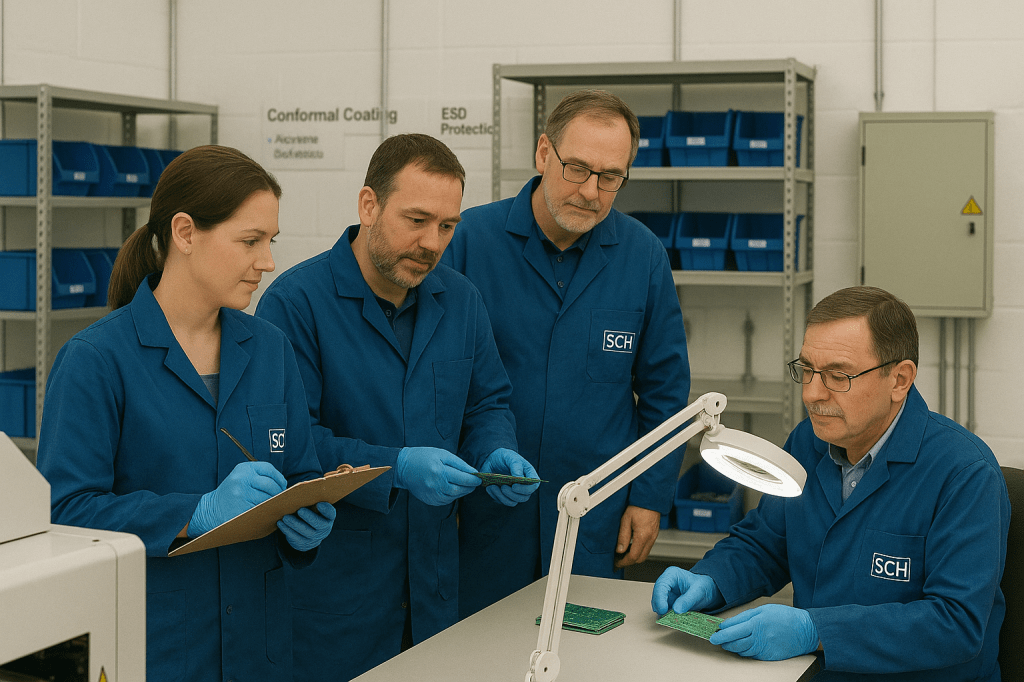
With over 25 years of hands-on industry experience, our consultancy is grounded in real production environments across aerospace, automotive, medical, defence, and industrial electronics. Clients rely on SCH to improve coating reliability, increase yield, strengthen compliance, and resolve complex coating challenges quickly and decisively.
For wider support including equipment, services, and training, explore our Conformal Coating Solutions and Inspection Training resources.
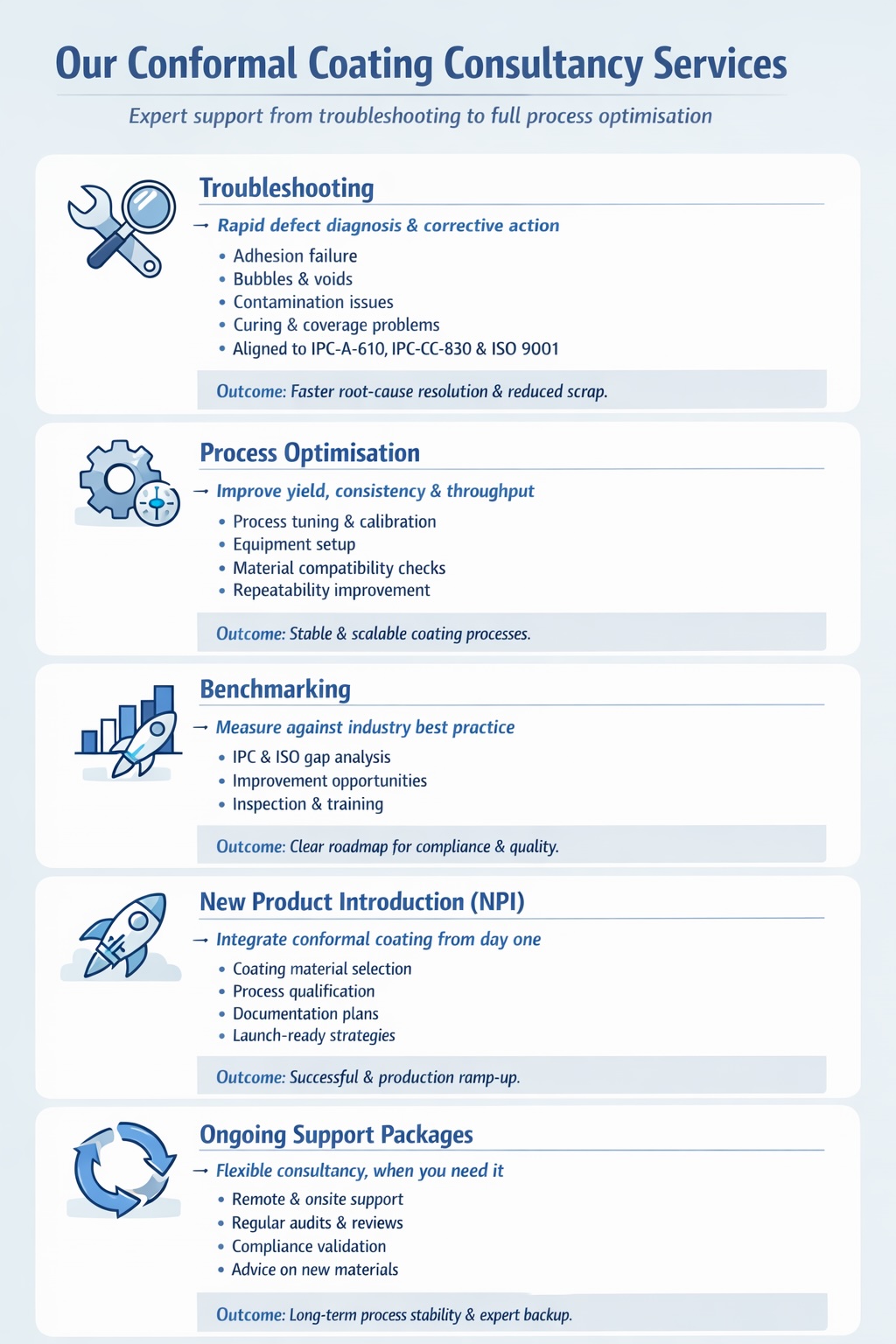
Our Conformal Coating Consultancy Services
Troubleshooting & Defect Resolution
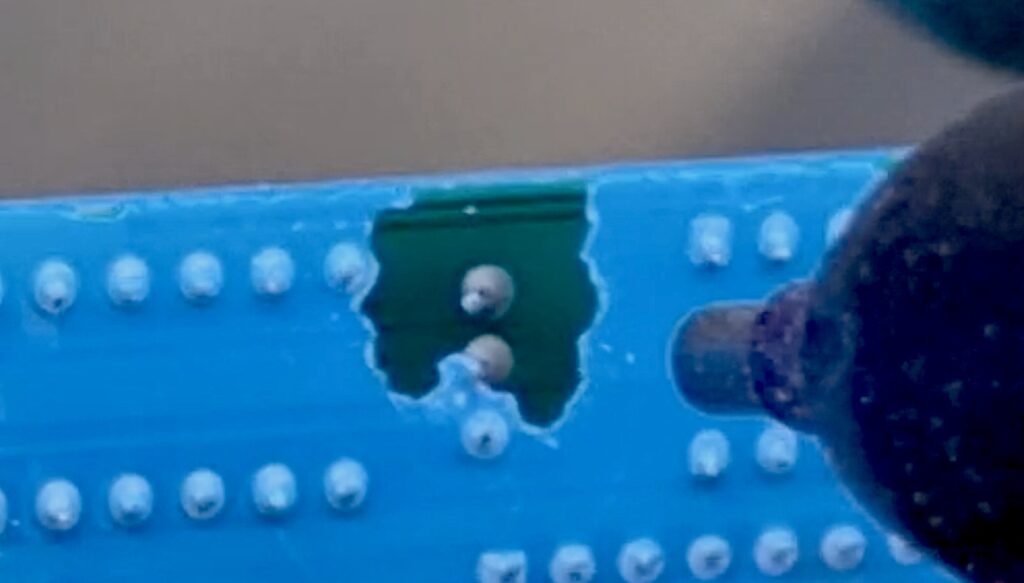
We provide rapid, structured support for coating defects including adhesion failure, bubbles, contamination, de-wetting, and cure-related issues. Our troubleshooting approach aligns with IPC-A-610, IPC-CC-830, and ISO 9001, ensuring solutions are technically robust and audit-ready.
For common defect mechanisms and corrective actions, visit our Conformal Coating Defects Hub.
Process Optimisation
Our optimisation services focus on improving yield, repeatability, and throughput. This includes process tuning, equipment calibration, material compatibility checks, and verification of application and cure parameters.
If you are installing, upgrading, or validating equipment, view our Support Equipment solutions.
Benchmarking & Compliance Review
We benchmark coating processes against IPC standards, ISO 9001, and recognised global best practices to identify risk, variation, and improvement opportunities.
Benchmarking programmes can be paired with Inspection Training to ensure consistent interpretation, inspection discipline, and long-term process control.
New Product Introduction (NPI)
We support the seamless integration of conformal coating into new product launches, covering coating selection, process qualification, documentation, and inspection strategy. Our consultancy ensures coating requirements are correctly embedded from day one.
For end-to-end implementation, see Conformal Coating Solutions.
Ongoing Support Packages
- Remote or onsite troubleshooting support
- Regular process optimisation and audits
- Compliance validation and technical documentation
- Expert guidance on new materials, equipment, and coating technologies
Where outsourcing is preferred, explore our Subcontract Coating Services.
Related Resources
Why Choose SCH Services?
Partnering with SCH Services gives you access to a fully integrated platform covering Conformal Coating, Parylene, and ProShieldESD solutions, supported by equipment, materials, and training — all delivered by engineers with decades of real-world coating experience.
- ✈️ 25+ Years of Expertise – Trusted specialists across aerospace, medical, defence, automotive, and electronics manufacturing.
- 🛠️ End-to-End Capability – From coating selection and masking strategy to inspection, rework, and ESD-safe solutions.
- 📈 Scalable Support – Consultancy and capacity that adapts from prototypes through to high-volume production.
- 🌍 Global Reach – Technical support and supply coverage across Europe, North America, and Asia.
- ✅ Proven Reliability – A reputation built on quality, consistency, and long-term customer trust.
📞 Call: +44 (0)1226 249019 | ✉ Email: sales@schservices.com | 💬 Contact Us ›


 In-house coating support
 Read the full technical framework
 Want materials? Visit
  Bonus Tips — Speed Up Masking, Reduce Rework
 control, our investment in technology keeps us ahead of industry standards.